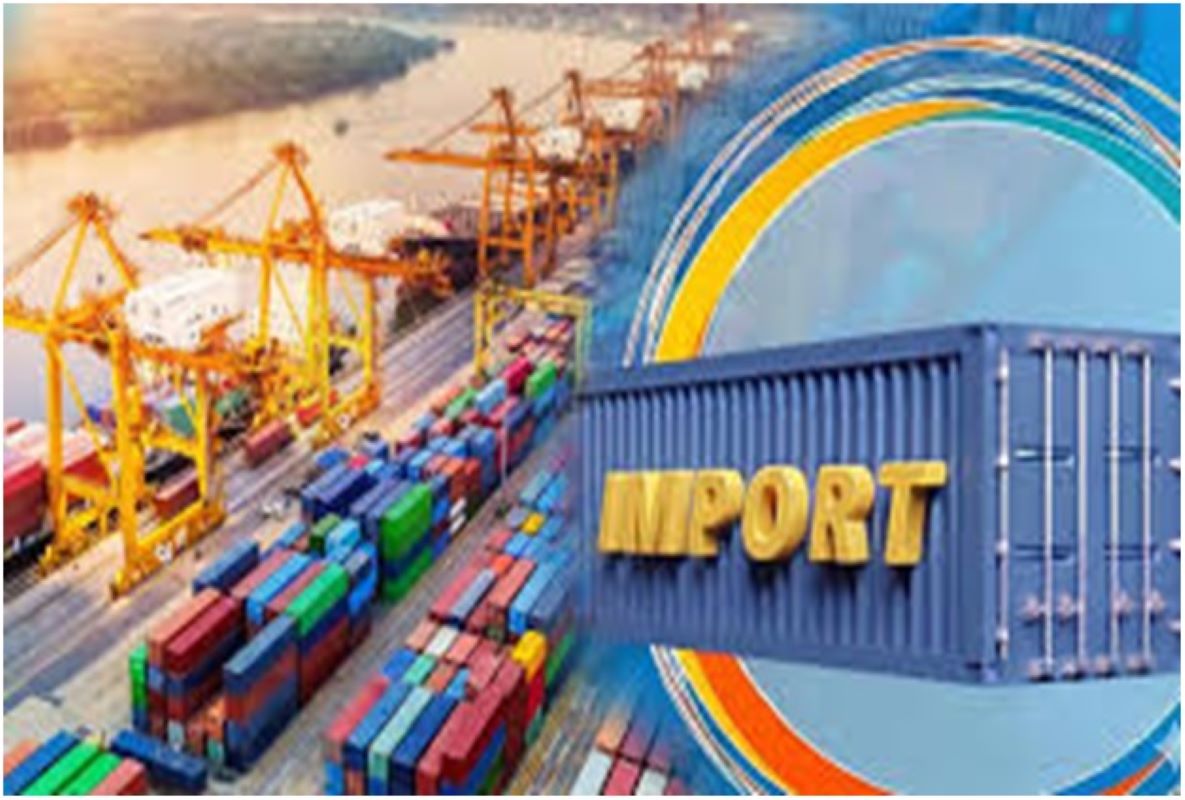
Government of India constituted six
sector-specific working groups to promote domestic manufacturing and import
substitution
¨
The Government of India
constituted six sector-specific working groups on 4 June 2026 to promote
domestic manufacturing and import substitution.
¨
The groups have been
tasked with identifying up to 100 products that can be manufactured or expanded
within India.
¨
The sectors covered
include pharmaceuticals, biotechnology and medical devices; chemicals and
petrochemicals, textiles and footwear; capital goods, automotive and electric
vehicles, advanced capital goods; energy; construction equipment and
infrastructure; and defence, aerospace, and electronics.
¨
Each working group is
chaired by the Secretary of the Department for Promotion of Industry and
Internal Trade.
¨
Members are drawn from
ministries and departments including commerce, DPIIT, NITI Aayog,
pharmaceuticals, economic affairs, science and technology, chemicals, textiles,
heavy industry, ports and shipping, electronics and information technology,
road transport, new and renewable energy, and petroleum.
¨
The groups will identify
products that are either not manufactured in India or are produced in
insufficient quantities.
¨
The selected products are
intended to support both domestic demand and export opportunities in global
markets.
¨
The final list is to be
submitted to the Cabinet Secretariat within three weeks of 4 June 2026.
¨
India’s imports increased
by 7.5% to USD 775 billion in FY 2025–26.
¨
Crude oil remained the
largest import item at USD 174 billion.
¨
Electronic goods imports
stood at USD 116.2 billion.
¨
Machinery imports were
valued at USD 61.73 billion.
¨
Transport equipment
imports reached USD 34.75 billion.
¨
Imports of coal, coke,
and briquettes amounted to USD 27.9 billion.
¨
Chemical imports were
approximately USD 28 billion.
¨ Pharmaceuticals and medical
devices form an important part of the healthcare manufacturing value chain.
¨ Chemicals and petrochemicals constitute a key industrial input sector.
¨ Capital goods, automobiles, electric vehicles, and advanced capital goods are integral to the engineering and mobility sectors.
 of India released a Standard Operating Procedure (SOP) for the notification of threatened species.jpg)
 was launched on 26 June 2026 in New Delhi.jpg)