PRS Annual Review of State Laws 2025: Key
Findings on the Functioning of State Legislatures in India
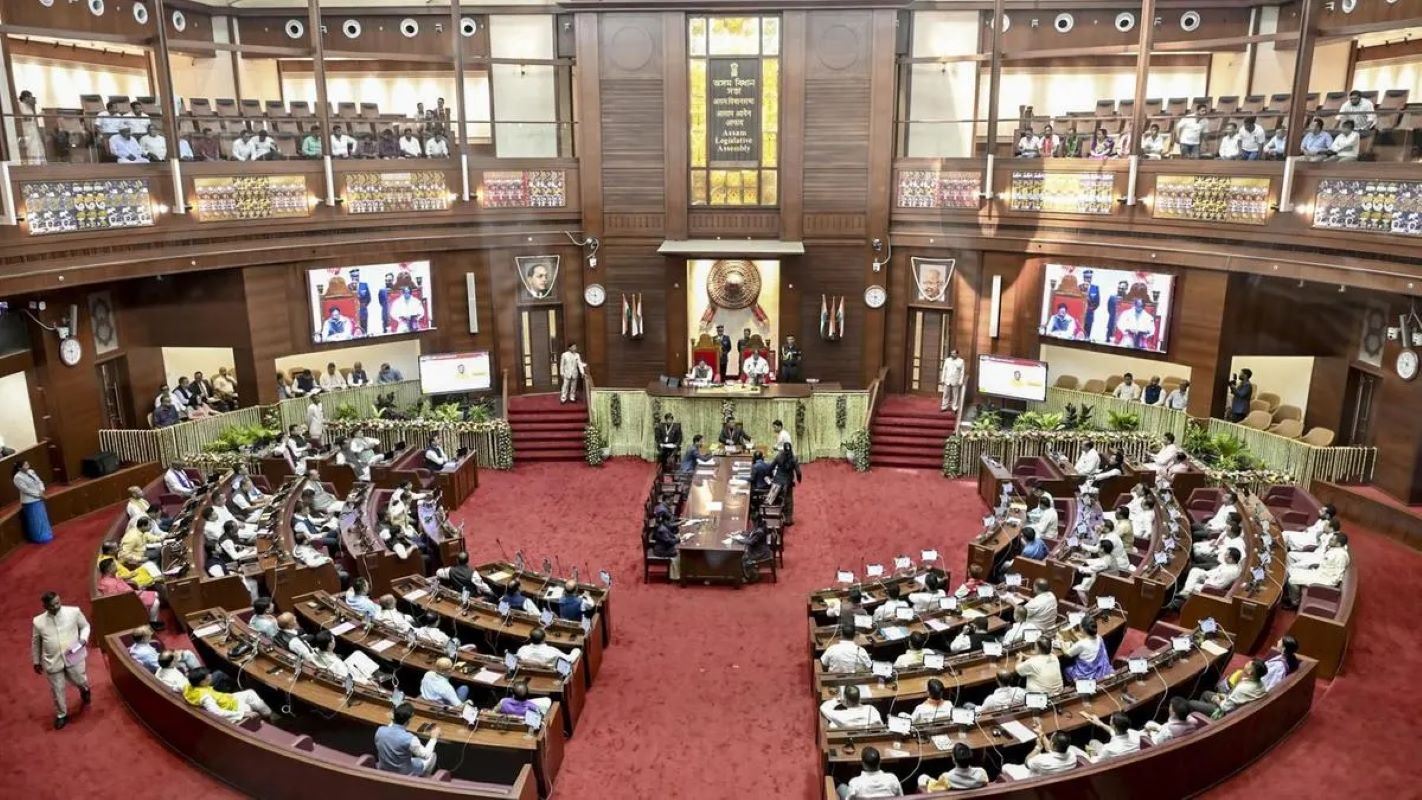
The Annual Review of State Laws 2025, released by PRS
Legislative Research, provides a comprehensive assessment of the functioning of
state legislatures across India. The report examines legislative performance in
27 states and three Union Territories (Delhi, Jammu & Kashmir, and
Puducherry) during 2025, highlighting trends in lawmaking, legislative
scrutiny, accountability, and governance.
More on the News
¨
The report analysed the
functioning of 27 State Legislative Assemblies and three Union Territory
legislatures (Delhi, Jammu & Kashmir, and Puducherry) during 2025.
¨
Manipur was excluded as
it remained under President’s Rule for most of the year.
¨
The report examined key
legislative functions such as law-making, budget scrutiny, committee oversight,
ordinance-making, and mechanisms for executive accountability.
¨
The findings have
reignited concerns about the quality of legislative scrutiny, executive
accountability, and the deliberative role of State Legislatures in a federal
democracy.
Key Findings of the Report
Legislative Sittings Remain Low
¨
State Assemblies met for
an average of 24 days in 2025, a modest improvement from 21 days in 2024 and 23
days in 2023.
¨
There was considerable
variation across states, with Odisha recording the highest number of sittings
(43 days), and Nagaland recording the lowest (7 days).
¨
Despite some states
having prescribed minimum sitting-day requirements, only Himachal Pradesh met
its mandated target.
¨
Over the five-year period
(2021–25), Kerala (41 days), Odisha (39 days), and Karnataka (37 days) recorded
the highest average sittings.
¨
The lowest average number
of sittings was recorded by Nagaland (8 days) and Tripura (9 days).
More Bills Passed in Less Time
¨
State Legislatures passed
over 600 Bills in 2025 (averaging 22 Bills per Assembly), an increase from
about 500 Bills passed in 2024.
¨
Karnataka passed the
highest number of Bills (84 Bills) in just 34 sitting days, while Assam passed
60 Bills in 21 sitting days.
¨
Around 30% of Bills were
passed on the same day they were introduced, raising concerns regarding
legislative scrutiny.
¨
Seven Assemblies—Andhra
Pradesh, Bihar, Gujarat, Jharkhand, Mizoram, Puducherry and Punjab—passed all
Bills either on the day of introduction or the following day.
Weak Committee Scrutiny
¨
Legislative Committees,
considered the backbone of detailed law-making, remained underutilised.
¨
In the six states where
data were available, only 5% of Bills were referred to Committees for
examination.
¨
Kerala stood out by
referring 25 Bills to Subject Committees, while committee reports were
eventually tabled for 90% of referred Bills.
Budget Oversight Remains Limited
¨
State Legislatures spent
an average of only eight days discussing annual Budgets.
¨
Tamil Nadu devoted the
highest time, spending more than 20 days on budget discussions.
¨
Assam, Himachal Pradesh,
and Jharkhand passed more than 70% of their expenditure demands without
discussion, highlighting weak financial scrutiny.
Growing Reliance on Ordinances
¨
States promulgated 127
Ordinances in 2025, compared to 100 Ordinances in 2024.
¨
About 31% of these
Ordinances related to local governance, followed by education and
labour-related matters.
Institutional Concerns
¨
As of May 2026, eight
State/UT Legislatures did not have a Deputy Speaker, despite Article 178
requiring the election of both a Speaker and Deputy Speaker as soon as
possible.
¨
In Jharkhand, the post
has remained vacant for over 20 years, while the current Assembly in Uttar
Pradesh has not elected one after four years of its term.
Concerns / Implications
¨
Declining Deliberative
Function: The passage of nearly one-third of Bills on the day of introduction
raises concerns about inadequate debate, stakeholder consultation, and informed
law-making.
¨
Weak Legislative
Oversight: Fewer sitting days reduce opportunities for Question Hour,
discussions, and motions, thereby weakening the Assembly’s role in holding the
executive accountable.
¨ Limited Financial Scrutiny: The practice of passing large portions of budgetary demands without discussion undermines legislative control over public expenditure and fiscal accountability.
¨ Underutilisation of Committees: Low referral of Bills to Committees diminishes expert scrutiny and evidence-based policy-making, affecting the quality of legislation.

.jpg)