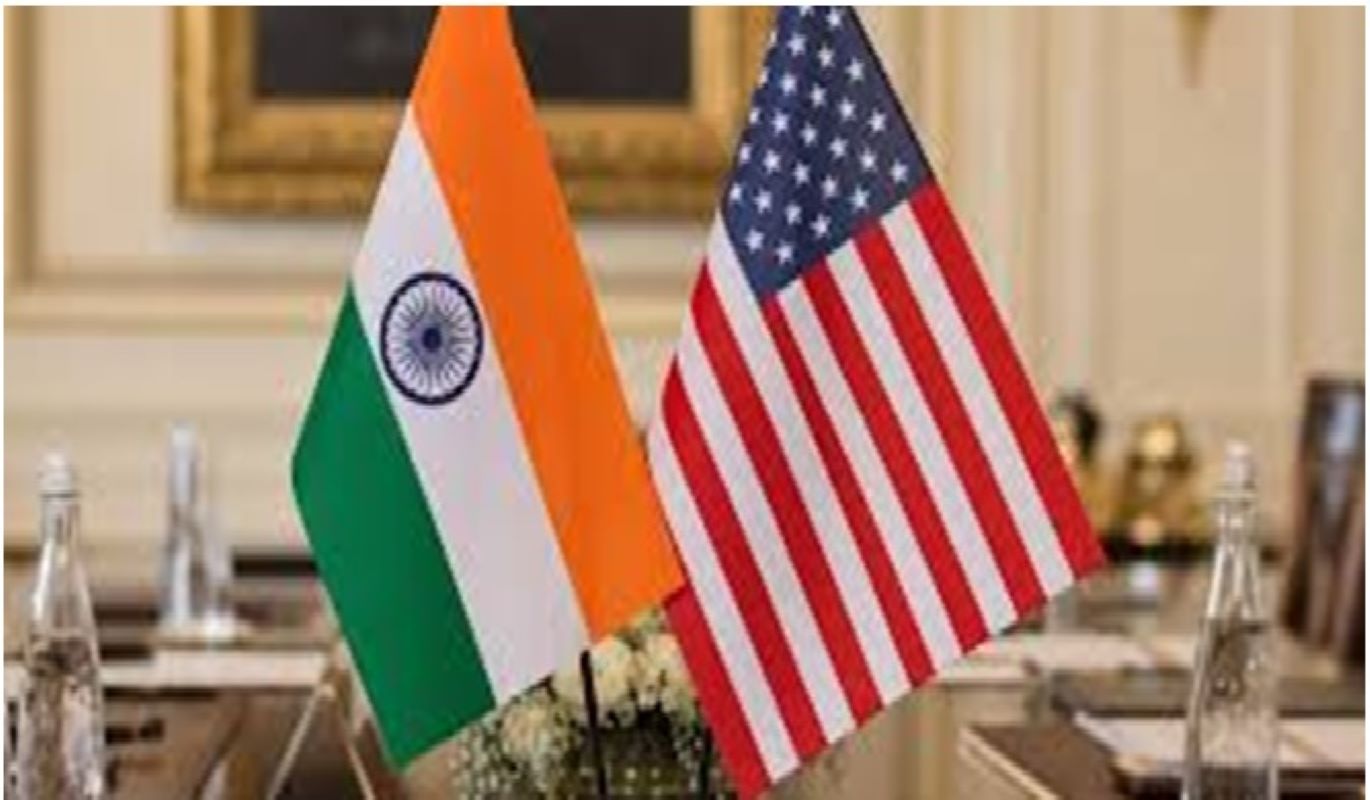
India and the United States resumed trade
negotiations in New Delhi
¨
India and the United
States resumed trade negotiations in New Delhi.
¨ Actions taken under
Section 301 of U.S. trade law emerged as a key issue in the talks.
¨ India is seeking
protection from potential future U.S. tariffs linked to ongoing Section 301
investigations under the proposed Bilateral Trade Agreement (BTA).
¨
Section 301 is a
provision of the U.S. Trade Act of 1974.
¨ It authorizes the U.S.
Trade Representative (USTR) to investigate foreign trade practices and impose
trade remedies against practices deemed unfair.
¨ In March 2026, the USTR
initiated new Section 301 investigations against 16 trading partners, including
India.
¨ The investigations focus
on issues such as structural overcapacity in manufacturing sectors and
allegations of forced labour in global supply chains.
¨
Piyush Goyal, India’s
Commerce and Industry Minister, stated on 1 June 2026 that about 99% of the
first phase of BTA negotiations had been completed.
¨
The U.S. delegation was
led by Brendan Lynch.
¨
The Indian delegation was
headed by Darpan Jain.
¨
The negotiations in New
Delhi were scheduled to continue for three to four days.
¨
Following agreement on
the framework, Jamieson Greer is expected to visit India in July 2026.
¨ The new U.S. tariff
regime under Section 301 is scheduled to take effect on 24 July 2026.
¨ This timeline follows a
February 2026 U.S. Supreme Court ruling that declared reciprocal tariffs
previously imposed by Donald Trump unlawful.
¨ India is seeking preferential tariff rates and relief from Washington’s 10% flat tariff.
¨ India also wants a tariff structure that preserves its export competitiveness with Bangladesh, Pakistan, and Sri Lanka.