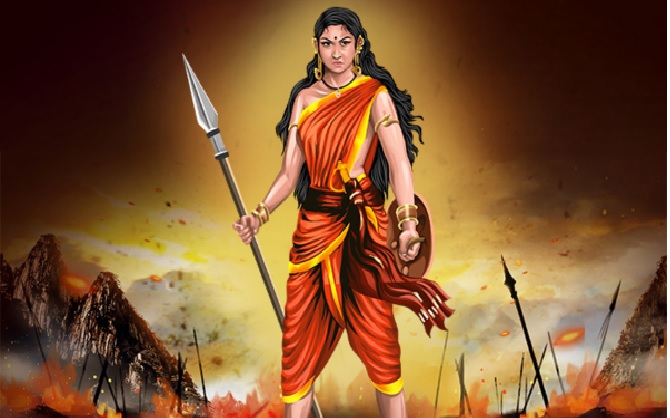
Every year on 3 January, India commemorates the birth anniversary of Rani Velu Nachiyar, one of the earliest and most courageous women freedom fighters in Indian history. Known for her fearless resistance against British colonial rule, she holds a special place in the history of India’s struggle for independence.
Early Life and Background
Rani Velu Nachiyar was born on 3 January 1730 in Tamil Nadu. She was the daughter of a royal family and received extensive training in warfare, weaponry, martial arts, and multiple languages, which later played a crucial role in her military leadership. She later became the queen of the Sivaganga estate, a zamindari region located in the Madurai area during the Madras Presidency.
First Indian Queen to Fight the British
Rani Velu Nachiyar made history as the first Indian queen to wage war against the East India Company. After her husband, the king of Sivaganga, was killed in a British-led attack, she did not surrender. Instead, she organized an army, formed alliances, and planned a strategic counterattack against the British forces. With the help of her loyal commander Kuyili, she successfully defeated the British and reclaimed her kingdom, marking one of the earliest armed resistances against colonial rule in India.
Why She is Called “Veeramangai”
Rani Velu Nachiyar is fondly remembered by the Tamil community as “Veeramangai,” meaning “Brave Woman.” Her courage, leadership, and determination earned her this title, symbolizing her fearless fight for justice and sovereignty.
Key Facts for Competitive Exams
- Birth: 3 January 1730
- Title: First female freedom fighter of India
- Region: Sivaganga (Tamil Nadu)
- Known for: First queen to fight the British (East India Company)
- Title given: “Veeramangai” (Brave Woman)
- Contribution: Early armed resistance against British rule
Significance of the Day
Rani Velu Nachiyar’s birth anniversary is not just a remembrance but a tribute to women’s role in India’s freedom struggle. Her story inspires generations, especially aspirants preparing for UPSC, SSC, State PCS, and other competitive exams, where such historical figures are frequently asked.
Conclusion: Rani Velu Nachiyar stands as a symbol of courage, resilience, and leadership. Her fight against the East India Company predates many well-known revolts, making her a pioneer in India’s independence movement. Remembering her legacy helps us understand the depth and diversity of India’s freedom struggle.